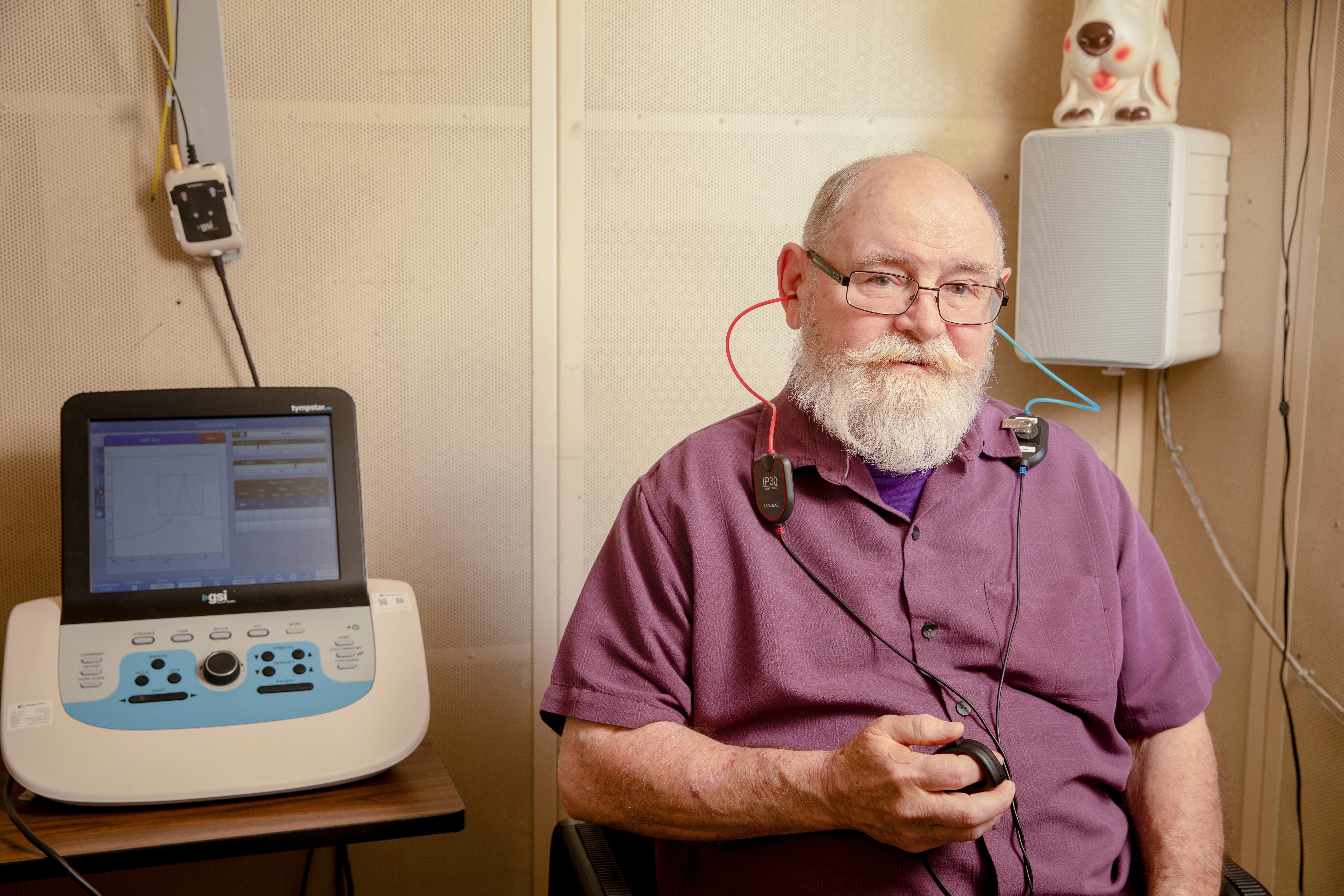
How Loud Noise Damages Your Hearing
Chairman of the World Health Organization’s Make Listening Safe Task Force, Brian Fligor, ScD, notes that “human ears weren’t made to handle excessively loud sounds most of the time.
“Our ancestors had to listen for tiny sounds—a crack of a branch in the woods, for example, or a bird call, indicators of prey they wanted to eat or predators that wanted to eat them. It was rare to encounter anything loud enough to damage the ears, like 110 dBA or more.”
That’s not true in today’s world, where exposure to sounds in the 110 dB+ range is pretty common, from motorcycles, chainsaws, concerts, and, worst of all, headphones and earbuds.
How does noise cause damage to your ears?
When the tiny hairs of the inner ear activate, they create a waste product that is similar to the lactic acid that your muscles produce during a very long run. With quiet sounds there is little waste, and after a short burst of sound the cells are able to rest and clear out the waste.
The problem is that extremely loud noise can cause unrecoverable damage, and ongoing loud noise for an extended duration does not allow enough time for the cells to clear out the waste. In both cases, the damage ends up killing these irreplaceable hair cells.
How Loud Is Too Loud?
At 85 decibels (dB) of sound intensity, your ears are safe from damage for up to eight hours without any form of protection. However, with each increase of 3 dB of sound intensity above 85 dB, the length of time your ears can endure without hearing protection is cut in half.
For example, exposure to 88 dB without protection can cause damage within four hours, damage occurs after two hours at 91 dB, and within one hour of exposure at 94 dB your unprotected ears can experience irreversible damage.
Unprotected exposure to sounds in excess of 110 dB for more than 90 seconds can severely damage your ears, and it takes only seven seconds to do harm to your unprotected ears at intensity levels of 120 dB. So, what is your level of risk?
Unprotected exposure to lawn equipment, chainsaws, motorcycles, snowmobiles, and power tools with noise levels of between 90 and 105 dB can cause hearing damage after just 20 minutes.
Listening to music on headphones or earbuds at high levels (110 to 115 dB) for more than a minute is extremely damaging to your hearing, while major sporting events, live concerts, or nightclubs can reach levels of up to 135 dB, and the discharging of a firearm can exceed an intensity level of 145 dB—causing instant, permanent damage.
You might not notice symptoms right away, but the damage accumulates over time, making it extremely important to understand the critical role of using hearing protection at work or while you are engaged in noisy activities outside of work.
Benefits of Custom Hearing Protection
A More Secure Fit
Whether you are using earplugs for noise protection or while swimming, custom-molded earplugs provide a more secure acoustic or watertight seal. Their more secure fit means that they will stay in place during whatever activity you’re engaged in and you won’t have to fiddle with them all the time.
Greater Comfort
If you have ever used generic earplugs, then you are very familiar with the expression “trying to fit a square peg into a round hole.” In contrast to generic plugs that never seem to feel quite right in your ears, custom molding and construction out of medical-grade silicone make custom earplugs more comfortable, which means you’re more likely to wear them.
Improved Sound-Blocking Performance
Precision-engineered filters provide measurable protection to match or exceed the decibel level required. Venting prevents own-voice reverberation and helps provide a more natural sound. Accurate frequency response allows you to hear a full range of sounds (like the voices of people nearby or the music you’re performing), but at a reduced volume.
Protection for Multiple Activities
Many custom hearing protection products come with replaceable sound filters, which means you can use the same earplugs for the different activities you enjoy by simply changing the sound filters to accommodate the new sound environment.

Who should wear hearing protection?
Everyone exposed to extreme noise or ongoing moderate noise needs ear protection. Common noisy work environments include: Music venues Construction Factories Airports Common noisy sports and leisure activities include: Using lawn equipment or power tools Motor-sports: motorcycles, snowmobiles, auto racing, etc Attending major sporting events, concerts, and nightclubs Discharging firearms
Which ear protection devices are available?
How do I determine what ear protection to use?
What are some of the signs I might need to wear ear protection?
How long do hearing protection products last?
Do I need hearing protection in noisy environments if I wear hearing aids?