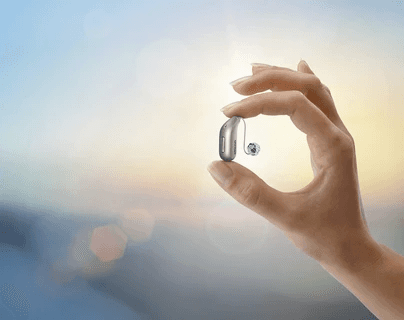
The Hearing Care Element at Visalia Hearing Center
Today’s technology makes it possible for hearing aids to come in a variety of sizes, colors, costs, and designs with varying levels of processing power and features. This is beneficial in the sense that there is a better chance of finding the perfect fit for you.
However, you’ll need some help choosing the one that takes your specific needs preferences into account. That’s why the audiologists at Visalia Hearing Center will guide you through a series of steps to help you understand the pros and cons of your preferences. You will hear us repeatedly say that the perfect hearing aid does not exist, but it is our job to find the one that will get as close to perfect as possible.
When reviewing your hearing aid options, we highly encourage you to have a spouse or friend accompany you. Whether you’re aware of this or not, your loved ones are living with your hearing just as you are. They often contribute invaluable insight into the challenges you’re facing, have a good understanding of what motivates you, and assist you in the decision-making process.
Once you’ve made your choice, we offer a 45-Day Return Privilege so you can use the technology in your own world to make sure you are hearing reasonably well in the situations that are important to you.
We fit prescriptive hearing technologies that are personalized to the unique auditory system and individual preferences of each patient by using a checklist of criteria that includes:
Power/volume required to address your specific level of hearing loss
Processing power needed to optimize the demands placed on your auditory system
Your manual dexterity and visual capabilities
Skin sensitivities
Anatomical/medical considerations
Your wearing discretion and cosmetic concerns
Previous amplification experience
Budget limitations
We go beyond just helping you choose the right hearing aid. By exceeding audiologic best practices guidelines, performing real-ear verification, offering preventative maintenance, troubleshooting, repair, and ongoing education, we help you get the most out of your hearing aids so you can take advantage of technological breakthroughs in a rapidly changing industry.
Real-Ear Measurements:
The Key to Fitting Your Hearing Aids
Real-ear measurements (REMs), also known as probe microphone measurements or speech mapping, are the method of verifying and ensuring that the gain/volume settings of prescriptive hearing aids are correct.
This process does not merely rely on the user’s subjective perception of sound; rather, it provides an objective assessment of the sound levels delivered to the eardrum. REMs quantify the performance of the prescriptive hearing aids while the user is wearing the devices in their ears, removing the guesswork when programming your hearing aids.
REMs allow doctors of audiology to account for the unique characteristics of each patient’s ears, including the size and shape of the ear canals. Research suggests that patients prefer the settings of hearing aids that have been programmed using real-ear measurements.
The Gold Standard for Hearing Aid Fitting
All professional audiology associations, including The Academy of Doctors of Audiology (ADA), the American Academy of Audiology (AAA), the American Auditory Society (AAS), and the California Academy of Audiology (CAA), endorse this practice as the gold standard for prescriptive hearing aid fittings.
Real-ear measurements embody the adage “trust but verify.” While Visalia Hearing Center trusts our hearing aid manufacturing partners, it is our job as your audiologist to verify that you, our patient, are in fact getting what you’re paying for.
Greater Confidence for Our Patients
Executing real-ear measurements is a meticulous process that involves multiple steps. It takes about five to 10 minutes for each ear and leaves the patient feeling confident that their hearing care is in the hands of a team that truly wants them to hear at their best.
By following best practices, like incorporating real-ear measurements, the team at Visalia Hearing Center is committed to ensuring that our patients get the most out of their prescriptive hearing aids. Don’t hesitate to get in touch with us if you’re interested in scheduling an appointment.
Hearing Aids From Industry-Leading Manufacturers
As an independent hearing center, we aren’t tied to any specific brand of hearing aid. That means we can offer a broader range of hearing aid models and styles from industry-leading manufacturers like:
The manufacturers we work with for hearing aid repair include:






Hearing Aid Styles Available to Choose From
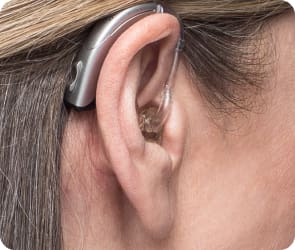
Behind-the-Ear (BTE)
They look like the old analogue hearing aids, but don’t let that fool you. Today’s BTE hearing aids are lighter and more streamlined, and their digital processing power embarrasses the performance offered by their ancestors. BTE hearing aids receive and process sound in a unit that rests behind your ear and transmits sound via acoustical tubing to an earmold or open-canal earpiece.
Suited to address all levels of hearing loss, the available features of BTE hearing aids include custom-formed earmolds (domes) for a more comfortable fit and open-canal earpieces to eliminate the “plugged up” feeling some users experience. They come with traditional batteries or a rechargeable option, and you can choose the color that you’re most comfortable with as well.
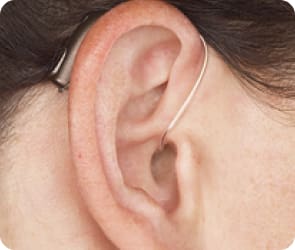
Receiver-in-Canal (RIC)/Receiver-in-the-Ear (RITE)
RIC/RITE hearing aids are lightweight modified BTE devices that also process sound in a behind-the-ear unit but deliver sound to a receiver (speaker) placed inside the ear canal in place of acoustical tubing.
Also suited to address all levels of hearing loss, you can choose an open-fit design or custom earmolds as well as the color you prefer. Some patients may also be able to take advantage of the mini version (the size of the tip of your index finger, weighing under two grams).
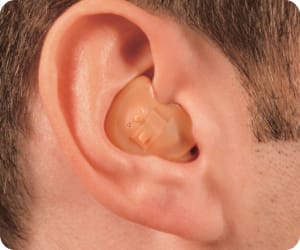

In-the-Ear (ITE)
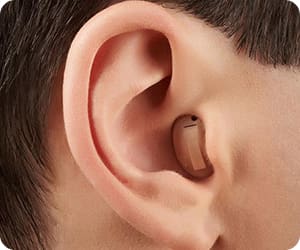
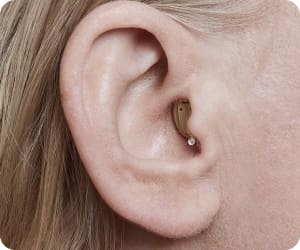
ITE instruments combine processing and speakers into a single unit. They can range in size from an invisible unit that fits deep inside your ear canal to a full-shell model that is molded to fit the contours of your outer ear canal
Their size determines the processing power available to address various levels of hearing loss, as well as the size and longevity of the batteries they use. One benefit of ITE hearing aids is that they don’t have to compete for space behind the ear with your glasses or an oxygen cannula, and they provide varying levels of wearing discretion.
ITE devices also come in rechargeable models and you can select the color you prefer. There are four styles of ITE devices available, including:

Over-the-Counter Hearing Aids: What’s Our Stance?
Up to this point, we have not discussed OTC devices for a variety of reasons. For those who are curious, over-the-counter (OTC) hearing aids are low-cost, entry level, do-it-yourself style solutions designed to give the public an easily accessible choice to address their hearing challenges. Like all decisions we make, though, pros and cons exist with OTC hearing aids.
If you’d like to get a better understanding of or have questions about over-the-counter hearing aids versus prescription devices, we’ve got you covered with the answers.
How do I know if I need hearing aids?
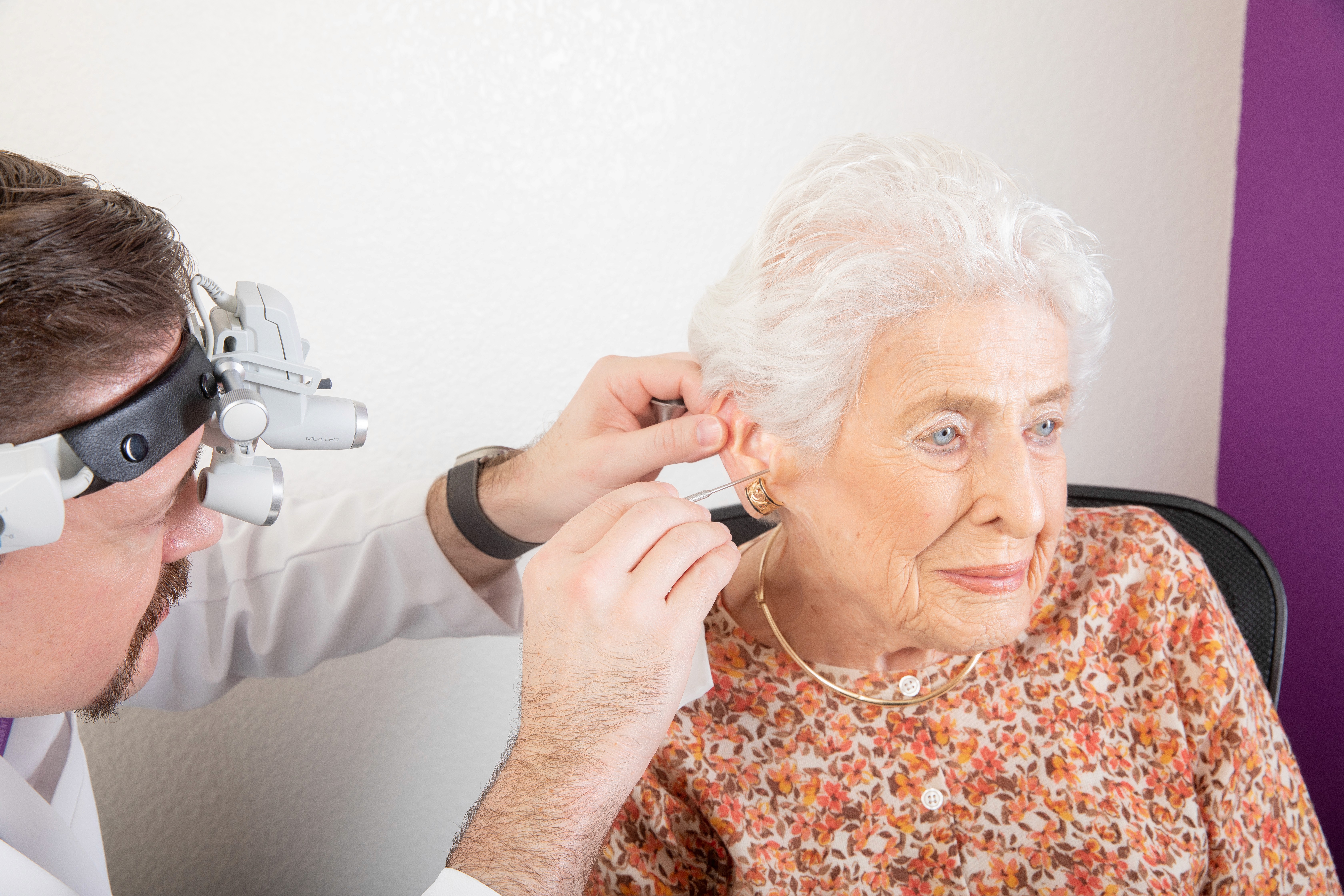
Turning the television louder than others prefer, frequently asking others to repeat themselves, and feeling frustrated when it comes to trying to understand a conversation in a noisy restaurant or at a social event are some of the most common signs of hearing loss. Another telltale sign is if a friend or family member is commenting about your hearing (they’re living with your hearing, too). However, knowing the truth about your hearing requires thorough and accurate testing by a doctor of audiology. After a proper analysis of your auditory system, a doctor of audiology can answer this question.
Will hearing aids cure my hearing loss?
How long do hearing aids last?
Do hearing aids use special batteries?
How long do hearing aid batteries last?
What about disposable hearing aid batteries? Are they special, too?
How long do disposable aid batteries last?
How long will it take to get used to my hearing aids?
Wait, so I won't hear perfectly with my hearing aids on day one?
What can I do to get used to my hearing aids as smoothly and quickly as possible?